

How can SASH support you?
At SASH, we can give you information and advice on cervical screenings to help ease any worries or concerns you might have. We offer our chaperone service to reproductive health related appointments if you’d prefer to have that additional support during the test.
What is a cervical screening?
The cervical screening (formerly known as Smear Test) is a test for HPV. This examination helps to prevent cervical cancer by picking up on changes in the cervix which could increase the risk of cervical cancer and offering further tests to those who need them.
The cervical screening test is not the test used to diagnose cancer, nor can it be used to screen for STIs.
What should you expect from your cervical screening?
A cervical screening appointment is quick and usually takes around 10 minutes, with the test itself lasting just a couple of minutes.
You’ll have privacy to get ready, and a nurse will gently use a small brush to collect a sample of cells from your cervix.
You can ask to pause or stop at any point, and if it helps, you’re welcome to bring someone along for support or use SASH’s chaperone service.

What is HPV?
HPV is spread through skin-to-skin contact in the genital areas, including vaginal, anal and oral. Any other touching in the genital area can also include sharing sex toys. HPV can be passed on whilst even using condoms as it only partially covers the genital area.
How often should I have a cervical screening?
A person with a cervix is invited to attend their first cervical screening just before their 25th birthday. Screenings then take place every 3 years for those aged between 25 to 49 and every 5 years for people aged 50 to 64. If your test results are abnormal or test positive for HPV, you may be called in more frequently to monitor your cervical health.
What does an appointment look like?
Your appointment will usually last around 10 minutes – the cervical screening test itself typically lasts a couple of minutes.
You will be asked to go behind a curtain, take off the lower half of your clothing in private and be given something to cover yourself with.
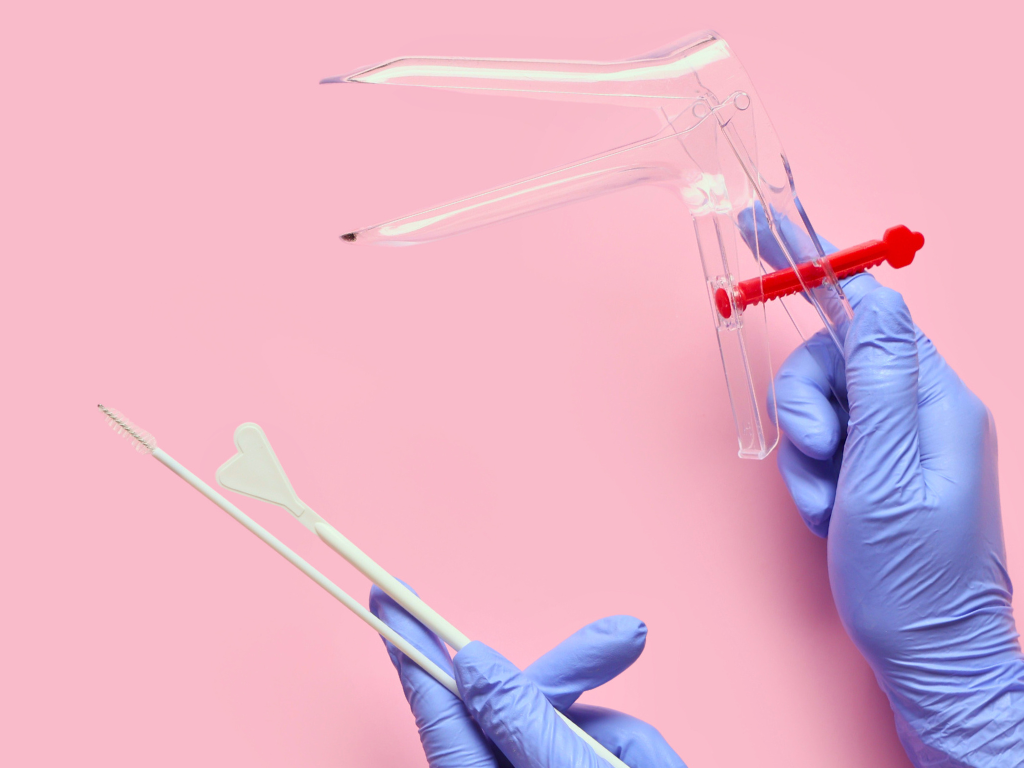
A speculum, different sizes available, is used to gently hold open your vagina while a nurse looks at your cervix. They will use a small soft plastic brush to take a sample by turning 5 full circles to collect cells.
Remember at any point you can ask to pause or stop the test. If you are feeling nervous, you can have someone accompany you for support.
What if I require further tests after my screening?
Further testing allows for monitoring any changes in cells, which could develop into cancer if left untreated, and therefore can be removed.
There are often symptoms for cervical cancer, so if you are concerned about any changes to your cervix, you do not have to wait for a cervical screening test. Symptoms to be mindful of include increased/irregular vaginal discharge, pelvic/back pain, pain and/or bleeding during penetrative sex, irregular bleeding or spotting and bleeding after menopause.
How can I protect myself against HPV?
You cannot fully protect yourself against HPV, but there are things that can help. The HPV vaccine can help protect people against HPV. Although it does not protect against all types of HPV, it can help protect against the types of HPV that cause the most cases of genital warts and cervical cancer
It is recommended children aged 12 to 13 and people at higher risk from HPV receive the vaccine. People who are at higher risk include: men aged 45 and under who have sex with men, any transgender person who has felt to have the same risk as men who have sex with men, sex workers and people with HIV.
Where to get further support?
If you are hoping to schedule an appointment for a cervical screening test, contact your GP directly to book an appointment.
For accessing the HPV vaccine, in our local boroughs, you can access the vaccine at 10 Hammersmith Broadway or John Hunter Clinc for free. The HPV vaccine however is only offered to those aged below 25, sex workers, and men who have sex with men aged 45 and under. It is also available for free at selected GPs for people under the age of 25, please enquire as this varies.
10 Hammersmith Broadway
- Located outside Hammersmith Underground Station, W6 7AL
- To book an appointment, click here, or call 020 3315 1010
For more information, advice, guidance, and also access to our chaperone service to contraception related healthcare appointments, refer yourself for support from SASH.
SASH is here for you

Want to learn more about sexual health?
-
HIV4 mins read
Find answers to frequently asked questions about STIs, including testing, symptoms, and prevention tips, all in one place.

-
Inclusive Support5 mins read
Discover essential insights about endometriosis, its impact, and ways to manage it effectively. Gain support and understanding through shared experiences and self-care tips.

-
Safer Sex4 mins read
Discover the essential role condoms play in promoting safer sex, preventing STIs, and supporting responsible sexual health practices.
